
What Is Sensory Rest And Why Burned Out Women Need It

After long days filled with endless emails, noisy environments, and constant screen time, it’s easy to feel drained. For many women facing burnout, traditional rest might not be enough. This is where sensory rest burnout becomes a crucial topic. Understanding sensory rest and why burned out women need it can help you recover more fully without falling into the hustle culture trap.
What Is Sensory Rest?
Sensory rest refers to the intentional break or pause we give to our senses—sight, sound, touch, taste, and smell—after they have been overwhelmed or overstimulated. In modern life, especially for women juggling multiple roles, sensory overload is common. Think about the bright screens, loud workspaces, constant notifications, and bustling sounds of daily life. When this happens day after day, our nervous system becomes fatigued.
Sensory rest means stepping back and minimizing exposure to those overwhelming inputs. It’s about creating quiet moments where your senses can reset and recover.
Why Sensory Rest Matters
Sensory input is essential for functioning, but too much can exhaust our mental and physical energy levels. The idea of sensory rest burnout taps into the concept that constant sensory stimulation contributes heavily to feelings of exhaustion, anxiety, and stress. When burnt out women don’t get enough sensory rest, they may experience:
- Irritability and emotional overwhelm
- Difficulty concentrating and memory problems
- Heightened anxiety or feeling “on edge”
- Physical symptoms like headaches or fatigue
Resting sensory systems helps reduce cortisol levels and calms the nervous system, fostering a safe space for recovery.

Types of Rest and How Sensory Rest Fits In
We often think of rest as just sleep, but rest comes in many forms. Here are the seven widely recognized types of rest:
- Physical Rest: Sleeping or relaxing muscles.
- Mental Rest: Taking breaks from focus and problem-solving.
- Emotional Rest: Feeling safe to express emotions freely.
- Social Rest: Spending time with supportive people or alone to recharge.
- Sensory Rest: Reducing stimuli to the senses.
- Creative Rest: Pausing self-criticism and allowing inspiration.
- Spiritual Rest: Feeling connected to something greater.
Sensory rest plays a foundational role since excessive sensory input can impact all other rest types.
How to Recognize Sensory Burnout
Sensory burnout can sneak up slowly. Here are signs you might be experiencing it:
- Feeling overwhelmed in noisy or busy environments
- Craving quiet and dark spaces more than usual
- Increased sensitivity to light, sounds, or textures
- Bothered by clothing tags or fabric on your skin
- Having headaches or tension after sensory overload
- Difficulties focusing after exposure to excessive stimuli
Recognizing these signs is the first step to addressing sensory rest burnout.
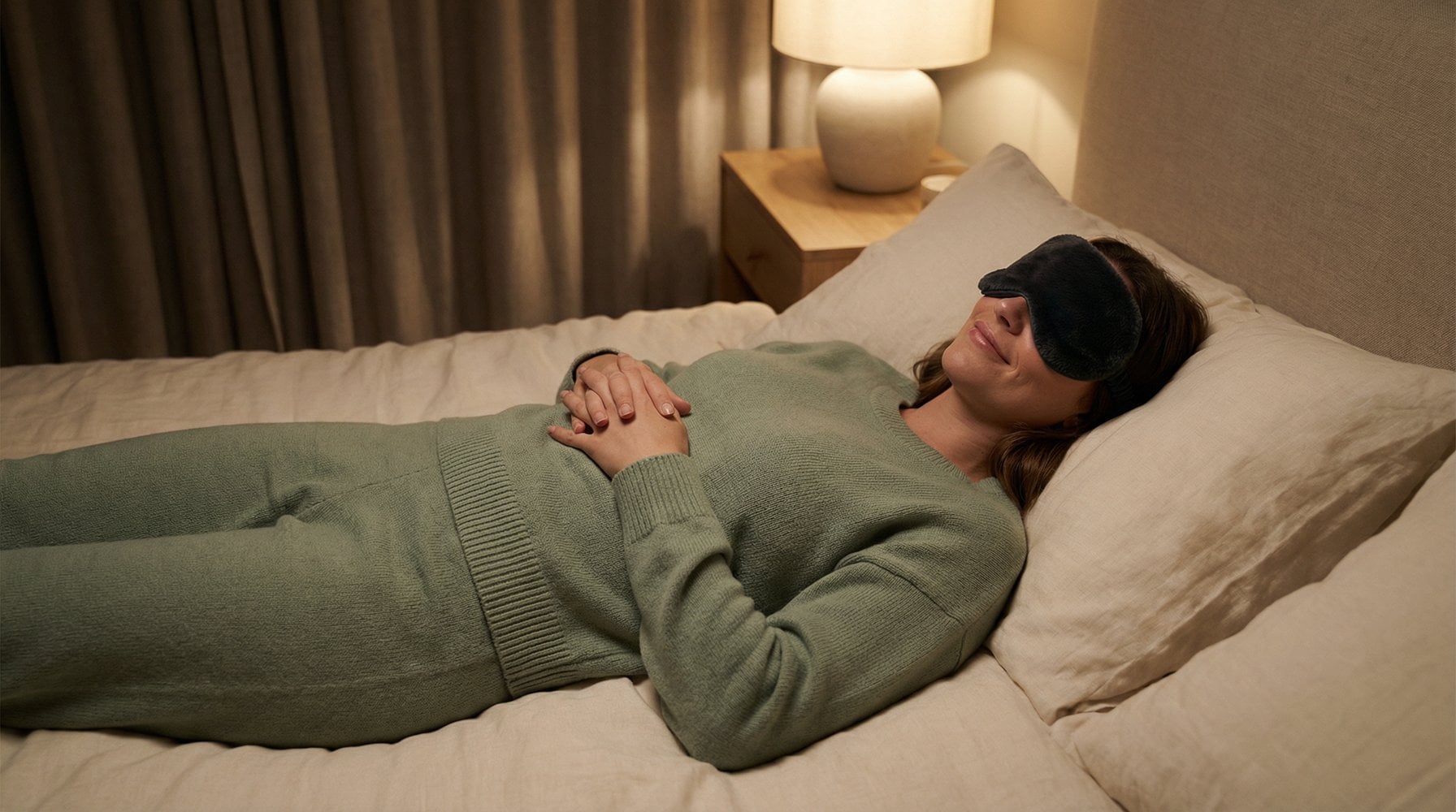
Practical Ways Burned Out Women Can Practice Sensory Rest
Incorporating sensory rest does not require drastic lifestyle changes. Small, intentional moments throughout the day can make a profound difference. Here are some ideas tailored for busy women who want to recover without hustle culture:
1. Create Quiet Zones
Dedicate a spot in your home or workspace where lights are dimmed and sounds minimized. Use this space for short breaks to relax your senses.
2. Limit Screen Time
Set specific times to check emails or social media. Consider apps that remind you to take breaks from screens.
3. Use Noise-Canceling Headphones
If you cannot avoid noisy environments, these can help filter out overwhelming sounds and help your brain rest.
4. Engage in Mindful Breathing or Meditation
Focus on your breath to quiet sensory distractions. Apps like Insight Timer or Calm offer guided sessions tailored for sensory overload relief.
5. Choose Soft, Comfortable Clothing
Opt for fabrics that feel gentle on the skin to avoid uncomfortable tactile sensations.
6. Go Outdoors Mindfully
Step outside to a nearby park or garden. Natural environments provide soothing sensory input, such as rustling leaves or gentle water sounds, without overwhelming the senses.
7. Practice Gentle Movement
Activities like yoga or stretching can help your body reset without adding sensory stress.
People Also Ask: Addressing Common Questions About Sensory Rest and Burnout
Q: Can sensory rest prevent burnout?
Yes, sensory rest helps reduce overstimulation—that can contribute to burnout. By regularly resting your senses, you give your nervous system the chance to recover, which improves your overall resilience to stress. It’s not a standalone cure but an essential piece of the burnout recovery puzzle. [Source: NIH]
Q: How often should I take sensory rest breaks?
It depends on your lifestyle and exposure to stimuli. A good rule of thumb is to take short sensory breaks every 60-90 minutes, especially if you work in a high-stimulation environment, such as near screens or loud spaces. Regular pauses early in the day can prevent sensory fatigue later on.
Q: Does sensory rest include all five senses?
Yes. Sensory rest means reducing unnecessary input to sight (e.g., bright lights, screen glare), sound (loud noises), touch (harsh fabrics), taste (strong flavors), and smell (overpowering scents). Sometimes focusing on resting one or two senses at a time is more manageable.
Additional Tips and Resources for Sensory Rest Burnout
Recovery from burnout is a journey that involves nurturing your body, mind, and senses. Here are further tips and trusted resources:
- Pursue better sleep hygiene: Sleep supports sensory reset and overall well-being. The Sleep Foundation offers practical advice on improving rest quality.
- Practice grounding techniques: Simple exercises like feeling your feet on the floor or noticing colors in your environment can balance sensory input and calm the nervous system.
- Seek professional help: If sensory overload significantly impacts daily life, an occupational therapist or mental health professional can tailor strategies, especially if burnout overlaps with anxiety or sensory processing issues.
At Quillway Wellness, we believe sensory rest is a vital part of recovery for burned out women who want to heal without the pressure of hustle culture. When you honor your senses by allowing them to rest, you create a nourishing environment for your mind and body to reclaim balance and calm.
Conclusion
Sensory rest burnout highlights the importance of giving your senses a break from the constant stimuli of daily life. For burned out women, incorporating sensory rest can improve focus, reduce anxiety, and promote a deeper sense of renewal. It’s not about pushing harder, but about stepping softly and nurturing your nervous system with kindness.
Remember, rest is not laziness — it’s a powerful way to heal. Embrace sensory rest as part of your recovery, and soon, you may find yourself moving through the day with more ease and grace.


Products & Services That May Help:
- Weighted Eye Mask for Sleep (Amazon affiliate link)
- EveryPlate: Get FREE meals with my personal discount! (Saves time & money on easy dinners)
As an affiliate, Quillway Wellness may earn from qualifying purchases at no extra cost to you.
Ready To Start Your Recovery?
Download the free 30-Day Burnout Reset Guide — a gentle, step-by-step plan designed for exhausted women who are ready to feel like themselves again.