
Why You Wake Up Exhausted Even After 8 Hours Of Sleep
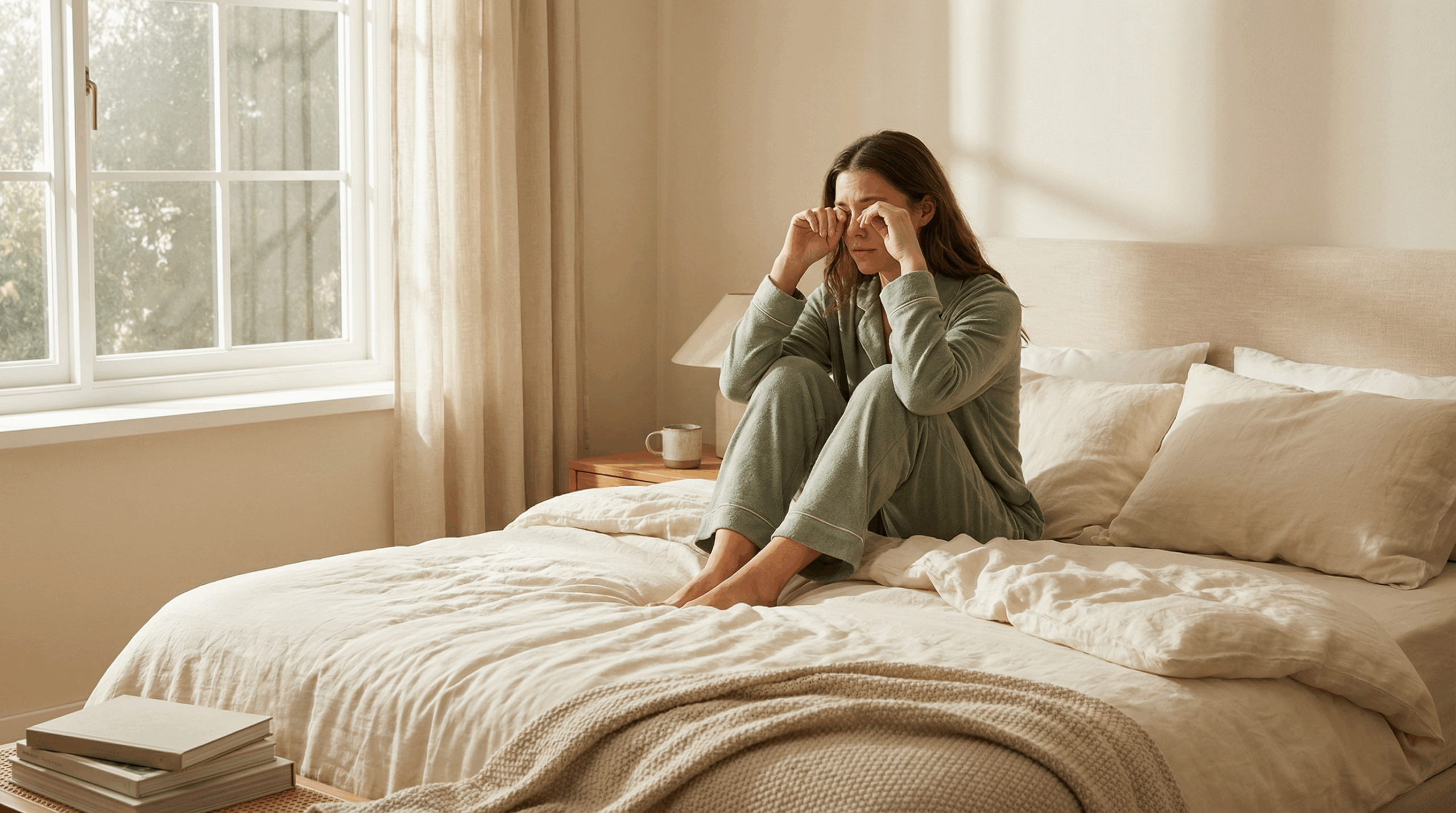
Waking up tired after a full night’s rest can feel frustrating and confusing. You might have asked yourself, “Why am I tired after sleeping?” Even after spending a solid eight hours in bed, you still drag yourself through the day. You're not alone, and it’s not simply about the number of hours you sleep. At Quillway Wellness, we understand that recovering from exhaustion means diving deeper into the quality of rest, your habits, and your overall health. This post will help you understand why sleeping enough doesn't always lead to feeling refreshed, and what you can do about it.
People Also Ask: Why Am I Tired After Sleeping?
This question pops up frequently, and it’s a valid concern. Understanding the root causes of tiredness after sleep can lead you to better rest and more energy. Some common reasons include:
- Poor Sleep Quality: Even if you sleep 8 hours, restless or interrupted sleep can prevent restorative rest.
- Sleep Disorders: Conditions like sleep apnea or restless leg syndrome cause frequent disruptions.
- Stress and Anxiety: Worrying or racing thoughts interfere with deep sleep stages.
- Unhealthy Lifestyle Habits: Diet, lack of exercise, or excessive screen time before bed.
- Medical Issues: Depression, thyroid problems, or chronic fatigue syndrome.
By exploring these factors, you can begin to address the why behind your tiredness after sleeping.

Why Am I Tired After Sleeping? The Science Behind Exhaustion
Many women believe that simply clocking 7-8 hours of sleep guarantees recovery, but this is only part of the picture. Sleep is made up of multiple stages — light sleep, deep sleep, and REM (rapid eye movement) sleep. Each stage serves a vital function for your mental and physical health.
According to the National Sleep Foundation, spending enough time in deep and REM sleep helps your brain consolidate memories, repair cells, and regulate mood. If these stages are shortened, your sleep quality suffers.
One common condition that dramatically reduces sleep quality is obstructive sleep apnea (OSA). During OSA episodes, breathing stops briefly but repeatedly, causing short awakenings you might not remember. These interruptions prevent you from reaching deep sleep, making you feel tired even after 8 hours.
Is Sleep Debt Making the Problem Worse?
Many people underestimate how much sleep debt affects their energy. Sleep debt builds up when you consistently get less sleep than your body needs. Catching up on weekend sleep isn’t always enough to fully undo this debt. So even if you sleep 8 hours one night, your body could be recovering from prior nights of insufficient rest.
Common Reasons for Feeling Tired After Sleeping
Here is a list of typical reasons that may explain why you wake up exhausted even after 8 hours of sleep:
- Poor Sleep Environment: Noisy, bright, or uncomfortable bedrooms interfere with deep sleep stages.
- Irregular Sleep Schedule: Going to bed and waking up at different times disrupts your circadian rhythm.
- Stress and Overthinking: Mental strain leads to lighter or fragmented sleep.
- Excessive Caffeine or Alcohol: Consuming these too close to bedtime disturbs sleep quality.
- Lack of Physical Activity: Exercise promotes deeper sleep cycles and overall restfulness.
- Underlying Medical Conditions: Disorders like hypothyroidism or chronic fatigue syndrome affect energy levels.
- Poor Diet: Nutrient deficiencies or heavy meals before bed impact sleep quality.
How to Improve Your Sleep Recovery Without Hustle
Hustling harder or pushing through exhaustion only makes recovery harder. Instead, supporting your body gently and consistently is key. Here are simple, science-backed strategies for better rest and less tiredness:
- Create a Soothing Bedtime Routine: Activities like reading, gentle stretching, or herbal teas (chamomile or valerian root) can prepare your body for sleep.
- Limit Screen Time Before Bed: Blue light from devices suppresses melatonin, a sleep hormone.
- Maintain a Consistent Sleep Schedule: Wake up and go to bed at the same time daily, even on weekends.
- Optimize Your Sleep Environment: Use blackout curtains, earplugs, and a comfortable mattress.
- Manage Stress: Journaling, meditation, and deep breathing can calm an active mind.
- Be Mindful of Food and Drink: Avoid caffeine after mid-afternoon, limit alcohol, and don’t eat heavy meals close to bedtime.
- Move Your Body Gently: Moderate daily exercise promotes deeper, more refreshing sleep.
When to Seek Professional Help?
If your exhaustion persists despite improving habits, or you notice symptoms like loud snoring, gasping during sleep, severe daytime sleepiness, mood changes, or persistent fatigue, it’s time to reach out for professional support. A healthcare provider or sleep specialist can help diagnose sleep disorders or underlying medical issues that may be affecting your rest. For trustworthy, science-based guidance, consider resources like the Mayo Clinic on Sleep Apnea or the National Heart, Lung, and Blood Institute’s Sleep Apnea information.
Additional Tips for Long-Term Sleep Recovery
Recovering from chronic tiredness is a journey — not a quick fix. Here are extra steps you can take to support sustained energy:
- Keep a sleep diary to identify patterns or triggers affecting your rest.
- Incorporate relaxation techniques like yoga or mindfulness.
- Prioritize sunlight exposure in the morning to reset your internal clock.
- Limit naps to 20-30 minutes in the early afternoon, avoiding late-day sleep that impairs nighttime rest.
By understanding why am I tired after sleeping and gently adjusting your sleep habits, you empower yourself to break free from exhaustion without embracing hustle culture. Your wellbeing is a daily practice rooted in kindness toward your body’s needs. At Quillway Wellness, we’re here to support your path to true, lasting rest and revitalization.

Products & Services That May Help:
- Weighted Eye Mask for Sleep (Amazon affiliate link)
- Magnesium Glycinate for Sleep (Amazon affiliate link)
- EveryPlate: Get FREE meals with my personal discount! (Saves time & money on easy dinners)
As an affiliate, Quillway Wellness may earn from qualifying purchases at no extra cost to you.
Ready To Start Your Recovery?
Download the free 30-Day Burnout Reset Guide — a gentle, step-by-step plan designed for exhausted women who are ready to feel like themselves again.