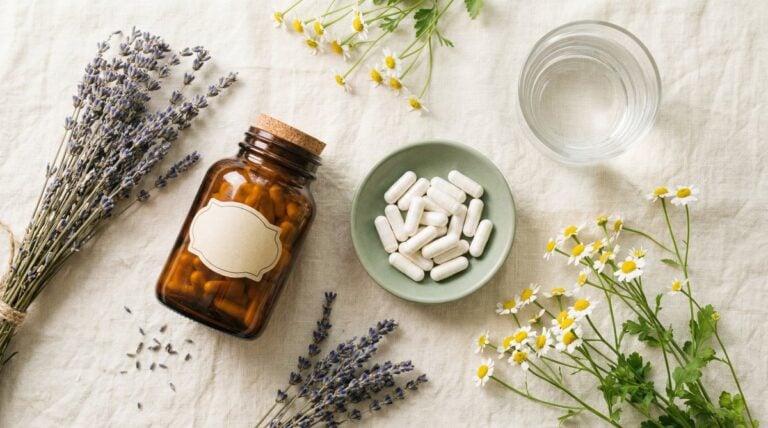
Ashwagandha For Women: Benefits Dosage And What To Expect

Welcome to Quillway Wellness, where we believe that burnout recovery is about gentle care, not pushing harder. Today, we’re diving into the world of adaptogens, with a special focus on ashwagandha. If you’ve heard whispers about its potential but aren’t sure what to expect or how it fits into your wellness routine, you’re in the right place.
Ashwagandha benefits women in unique and meaningful ways. With roots in Ayurvedic medicine, this ancient herb is increasingly popular for those seeking calm in a chaotic world. Let’s explore what ashwagandha is, how it works, and practical guidance on its use.
What Is Ashwagandha?
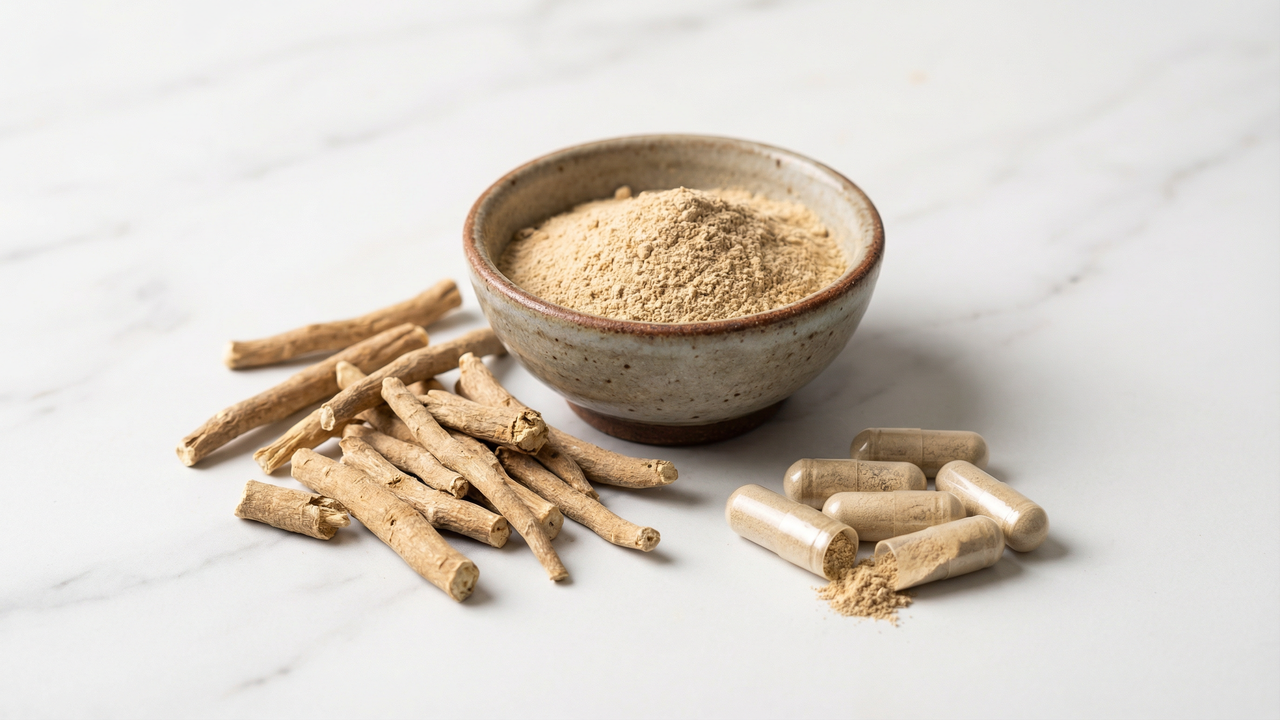
Ashwagandha (Withania somnifera) is a small shrub with yellow flowers. Its roots and berries have been used for centuries in traditional Ayurvedic practices. It is classified as an adaptogen, which means it may help the body manage stress and maintain balance.
Unlike stimulants or medications with quick effects, adaptogens like ashwagandha work gradually, supporting your body’s resilience over time.
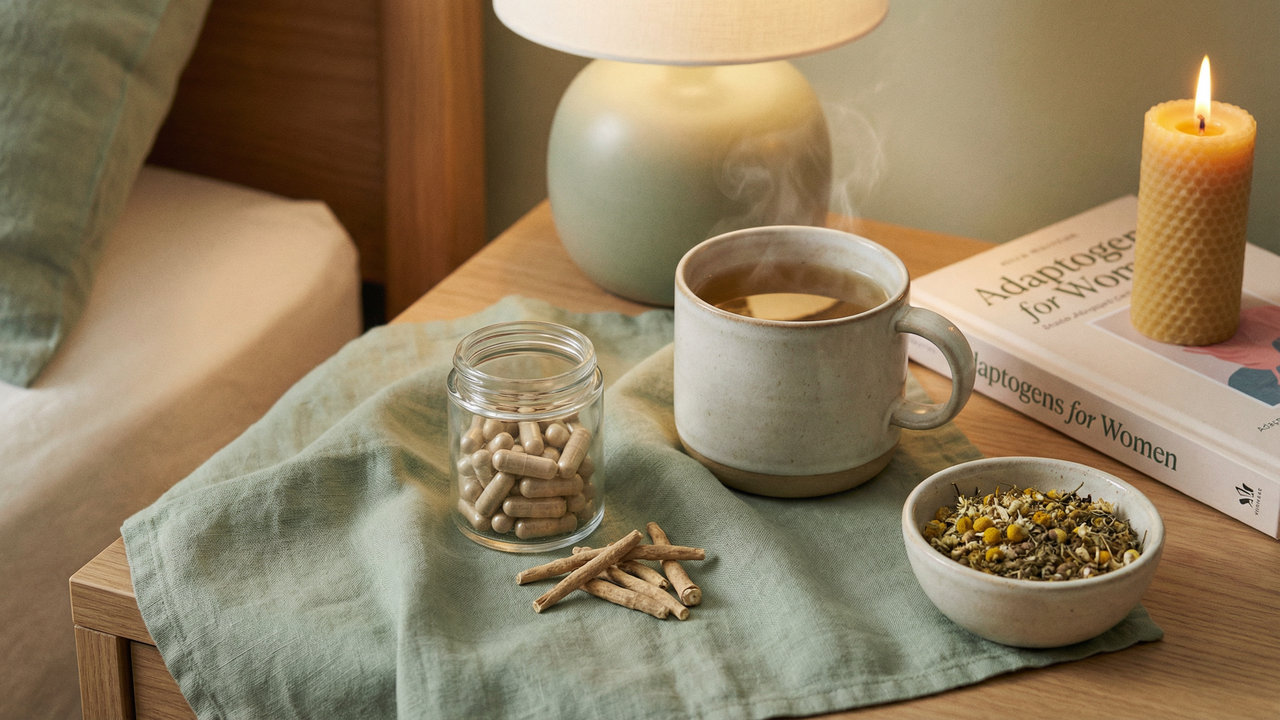
What Are Ashwagandha Benefits Women Can Experience?
The ashwagandha benefits women may be wide-ranging, from emotional to physical health improvements. Here’s a list of some key benefits supported by scientific research:
- Stress reduction: Ashwagandha is perhaps best known for its ability to reduce cortisol levels, the main stress hormone. Lower stress can help reduce anxiety and promote a feeling of calm. (NIH Study on Stress)
- Improved sleep quality: For women dealing with insomnia or restless nights, ashwagandha may help improve sleep latency and overall sleep quality.
- Hormonal balance: Some evidence suggests ashwagandha may support thyroid health and help balance female hormones, easing symptoms like fatigue and mood swings.
- Enhanced energy and stamina: By reducing stress and supporting adrenal function, ashwagandha can help enhance vitality without the crash of caffeine or sugar.
- Support for mental clarity: Studies have seen improvements in memory, cognition, and focus, making it beneficial for women juggling multiple roles or facing burnout.
- Immune system support: Ashwagandha has antioxidant properties that may boost immunity and protect cells from damage.
How Does Ashwagandha Work for Women?
Ashwagandha acts on the hypothalamic-pituitary-adrenal (HPA) axis, which regulates the body’s response to stress. Chronic stress can dysregulate this system, leading to fatigue, hormonal imbalances, and mood disturbances.
By modulating the HPA axis, ashwagandha may help lower cortisol production, supporting a more balanced internal environment. This gentle recalibration fits perfectly with a burnout recovery approach emphasizing healing without hustle.
Additionally, some phytochemicals in ashwagandha, called withanolides, show promise for anti-inflammatory and neuroprotective benefits, which may contribute to overall well-being.

What To Expect When Taking Ashwagandha
If you choose to integrate ashwagandha into your routine, here are some things you might notice:
- Gradual calming effect: Unlike medications that act immediately, ashwagandha’s benefits tend to develop over several days to weeks.
- Improved sleep patterns: Many women report falling asleep faster and sleeping more deeply after a week or two.
- Reduced feelings of anxiety or overwhelm: As cortisol levels stabilize, mood often lifts, and resilience grows.
- Boost in energy: Especially noticeable during periods of fatigue, but without jitteriness.
- Possible digestive changes: Ashwagandha can influence gut motility, so some may notice mild digestive adjustments initially.
It’s important to be patient and consistent, as adaptogens are subtle helpers rather than quick fixes.
Recommended Dosage For Women
Dosage can vary based on the form of ashwagandha and individual needs. Common forms include capsules, powders, and tinctures. Here are general guidelines:
- Capsules or tablets: Typically 300-600 mg of standardized ashwagandha extract per day, often taken once or twice daily.
- Powder: 1-2 teaspoons (approximately 3-6 grams) mixed into drinks or food, usually taken once daily.
- Tincture: Dosage will depend on the concentration; follow product-specific instructions or consult a healthcare provider.
Always start with the lowest dose to assess your body’s response. Consult your healthcare provider before beginning any herbal supplement, especially if you are pregnant, breastfeeding, on medication, or have health conditions.
Are There Any Side Effects Or Precautions?
Ashwagandha is generally well-tolerated, but some women may experience mild side effects, such as:
- Digestive upset
- Headache
- Drowsiness or sleepiness (usually mild and manageable)
Avoid ashwagandha if you have an autoimmune disease unless supervised by a healthcare professional, due to its immune system effects. Also, since it may lower blood sugar and blood pressure, monitoring is important if you have diabetes or hypotension.
For additional safety and information about supplements and adaptogens, reliable sources like the Mayo Clinic provide evidence-based insights.
People Also Ask: Common Questions About Ashwagandha Benefits Women Experience
Is Ashwagandha Safe For Women To Take Daily?
Yes, when taken in recommended doses, ashwagandha is generally safe for daily use. However, it’s important to monitor your body’s response and follow professional guidance to avoid possible interactions or side effects.
Can Ashwagandha Help With Menopause Symptoms?
Some women find ashwagandha helpful during menopause, particularly for stress, mood swings, and sleep support. While research is still emerging, its adaptogenic qualities can promote balance during hormonal changes.
How Long Does It Take To Feel Ashwagandha’s Effects?
Effects typically begin within one to two weeks, but optimal benefits may take up to 6-8 weeks of consistent use.
Are There Better Adaptogens For Women Than Ashwagandha?
Ashwagandha is one powerful adaptogen, but others like rhodiola, holy basil, and maca also offer complementary benefits. Choosing an adaptogen depends on your unique needs and wellness goals.
Incorporating Ashwagandha Into Your Burnout Recovery Routine
Remember, ashwagandha benefits women as part of a broader approach—not as a magic pill. Here are gentle ways to integrate it alongside supportive habits:
- Mindful rest: Prioritize naps and early bedtimes to honor your body’s need for healing.
- Balanced nutrition: Pair adaptogens with a nutrient-rich diet, focusing on whole foods packed with vitamins and minerals.
- Movement with care: Enjoy gentle yoga, stretching, or walks to support circulation and reduce tension.
- Stress management: Incorporate meditation, breathing exercises, or creative outlets.
- Community support: Connect with friends, family, or coaches who understand and encourage your recovery journey.
Final Thoughts
Ashwagandha offers promising benefits for women working to reclaim calm, clarity, and vitality. It’s a gentle ally for those recovering from burnout, helping to ease stress and support overall wellness without pushing harder.
As with any supplement, listen deeply to your body, proceed with care, and pair ashwagandha with nourishing self-care strategies for the best results. Learn more about adaptogens and holistic wellness through trusted health resources like the NIH Adaptogen Review.
Here’s to a balanced, peaceful journey back to your radiant self.

Products & Services That May Help:
- Ashwagandha KSM-66 Capsules (Amazon affiliate link)
- Rhodiola Rosea Extract (Amazon affiliate link)
- EveryPlate: Get FREE meals with my personal discount! (Saves time & money on easy dinners)
As an affiliate, Quillway Wellness may earn from qualifying purchases at no extra cost to you.
Ready To Start Your Recovery?
Download the free 30-Day Burnout Reset Guide — a gentle, step-by-step plan designed for exhausted women who are ready to feel like themselves again.