
Why You Wake Up Exhausted Even After 8 Hours Of Sleep

Why You Wake Up Exhausted Even After 8 Hours Of Sleep
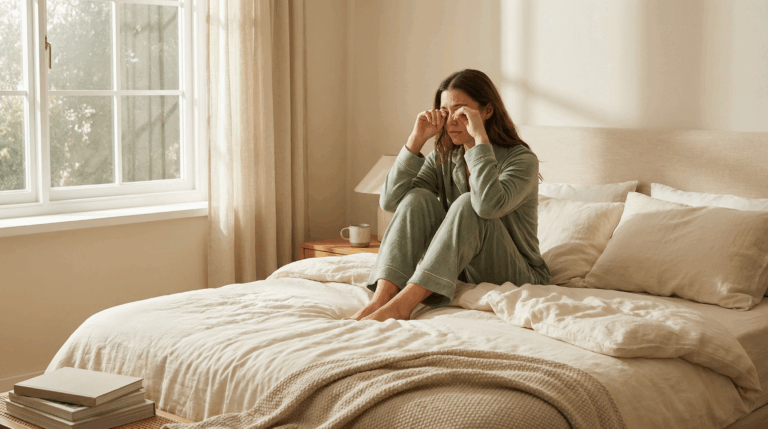
Have you ever dragged yourself out of bed after a full night’s rest, only to feel like you barely slept? You look at the clock—eight solid hours of sleep—and still, your body feels heavy, your mind foggy. This is a scene many women living with burnout know too well. It’s frustrating, confusing, and can make you wonder, “Why am I tired after sleeping” when you’ve done everything right.
At Quillway Wellness, we understand that exhaustion after sleep isn’t about laziness or lack of discipline. It’s a complex sign your body and mind are trying to send. Let’s explore why this happens and what you can do to gently regain your energy without falling into hustle culture traps.
What Science Tells Us About Feeling Tired After Sleeping
Getting eight hours of sleep sounds ideal, but not all sleep is created equal. Research from the National Institutes of Health (NIH) shows that the quality and timing of sleep are crucial for feeling rested. Sleep deprivation doesn’t just mean fewer hours. Fragmented sleep or poor sleep stages can leave you feeling tired.
Additionally, the Mayo Clinic highlights that underlying health issues like sleep apnea, restless leg syndrome, or hormonal imbalances can cause deep fatigue despite enough time in bed.
Women, in particular, face unique challenges with sleep due to hormonal shifts across menstrual cycles, pregnancy, and menopause. This can disrupt circadian rhythms and reduce the restorative quality of sleep. A study published by the American Psychological Association notes that women are more vulnerable to sleep disturbances during stressful life phases, which often coincide with burnout.
Common Causes Behind Waking Up Exhausted
- Poor Sleep Quality: Interruptions during the night can prevent you from reaching deep, restorative sleep stages.
- Chronic Stress and Burnout: High cortisol levels can interfere with your ability to fall and stay asleep.
- Unrecognized Sleep Disorders: Conditions like sleep apnea can cause shallow breathing and micro-awakenings.
- Poor Sleep Environment: Light, noise, or uncomfortable bedding can reduce sleep quality.
- Diet and Lifestyle: Heavy meals, caffeine, and lack of physical activity can all impact how refreshed you feel.
For more on how burnout affects your body differently, you might like our article What Is Burnout And Why Women Experience It Differently.
People Also Ask: Why Am I Tired After Sleeping?
1. Why do I feel tired even after sleeping 8 hours?
Feeling tired after 8 hours of sleep usually means your sleep quality was poor. This could be due to stress, sleep disruptions, or health conditions like sleep apnea. The timing of your sleep and consistency also matter. Your body needs to complete full cycles of deep sleep to feel rested.
2. Can stress cause me to be tired after sleeping?
Yes. Chronic stress increases cortisol, which can disrupt your ability to fall asleep or stay asleep. This leads to fragmented sleep and less restorative rest, making you feel exhausted despite sleeping enough hours.
3. How can I improve feeling rested after sleep?
Improving your sleep environment, managing stress, and establishing a consistent bedtime routine can help. Avoid screens before bed, reduce caffeine intake, and consider relaxation techniques like meditation or gentle yoga.
4. When should I see a doctor about feeling tired after sleep?
If you consistently feel exhausted despite enough sleep and lifestyle changes, or if you snore loudly, gasp for air, or have daytime sleepiness, it’s time to consult a healthcare provider to rule out sleep disorders.
How To Wake Up Feeling More Rested: A Step-By-Step Guide
Here’s a gentle, practical approach to help you stop wondering, “Why am I tired after sleeping?” and start waking up refreshed.
- Create a Consistent Sleep Schedule: Go to bed and wake up at the same time every day, even on weekends. This trains your body’s internal clock.
- Optimize Your Sleep Environment: Make your bedroom a sanctuary. Use blackout curtains, reduce noise, and keep your room cool (around 65°F). Consider a Weighted Eye Mask for Sleep to block out light and promote relaxation.
- Wind Down Before Bed: Turn off screens at least 30 minutes before sleep. Try reading, gentle stretching, or deep breathing exercises to calm your mind.
- Support Your Body Nutritionally: Magnesium plays a key role in sleep quality. A supplement like Magnesium Glycinate for Sleep may help ease tension and improve restfulness.
- Manage Stress Gently: Incorporate small moments of mindfulness or journaling to process your thoughts. Avoid multitasking before bed.
- Evaluate Your Diet: Heavy or spicy meals before bed can disrupt sleep. Services like EveryPlate Meal Delivery can save time and help you eat balanced dinners without stress.
- Move Your Body During the Day: Regular physical activity improves sleep quality, but avoid vigorous exercise close to bedtime.
Remember, recovery from burnout and sleep struggles takes time. Be patient and kind to yourself as you make these changes.
Additional Tips To Support Sleep Recovery
- Limit caffeine and alcohol, especially in the afternoon and evening.
- Keep naps short (20-30 minutes) and early in the day.
- Avoid clock-watching if you wake up at night; it can increase anxiety.
- Consider cognitive behavioral therapy for insomnia (CBT-I) if sleep issues persist.
If you want a gentle, structured approach to resetting your body and mind, download our free 30-Day Reset guide. It’s designed to help exhausted women reclaim energy without hustle culture pressure.
Why Do Women Often Feel More Exhausted Despite Sleep?
Women’s bodies go through many hormonal changes that affect sleep quality. For example, fluctuating estrogen and progesterone levels can cause insomnia or restless sleep. And women carry a heavier emotional load in many households, increasing stress levels.
Understanding this is key to being gentle with yourself. If you’re struggling with burnout, check out our article What Is Burnout And Why Women Experience It Differently for deeper insights.
When Exhaustion Signals Something More
Sometimes, persistent tiredness after sleeping is a sign to seek medical advice. Conditions such as thyroid imbalances, anemia, depression, or chronic fatigue syndrome may need to be ruled out.
Keep a sleep diary to track your patterns and symptoms. Share this with your healthcare provider to help identify any issues.
Final Thoughts
Asking “Why am I tired after sleeping?” is the first step toward understanding your body’s needs. It’s rarely about the hours you spend in bed alone, but the quality and context of your rest. By making small, evidence-based changes, you can start waking up feeling more refreshed and ready to face your day.
Download your free 30-Day Reset guide today to begin your gentle journey back to energy and well-being. You deserve rest that truly restores.

Products & Services That May Help:
- Weighted Eye Mask for Sleep (Amazon affiliate link)
- Magnesium Glycinate for Sleep (Amazon affiliate link)
- EveryPlate: Get FREE meals with my personal discount! (Saves time & money on easy dinners)
As an affiliate, Quillway Wellness may earn from qualifying purchases at no extra cost to you.
Related Articles You May Find Helpful
Ready To Start Your Recovery?
Download the free 30-Day Burnout Reset Guide — a gentle, step-by-step plan designed for exhausted women who are ready to feel like themselves again.