
Why You Are So Tired and How to Finally Find Your Way Back to Calm
Why You Are So Tired and How to Finally Find Your Way Back to Calm
You know that feeling when the alarm goes off and your first thought isn’t about the day ahead, but about how many hours it is until you can crawl back under the covers? I’ve been there. You’re standing in the kitchen, staring at the coffee maker like it’s a long-lost friend, while your brain feels like it’s wrapped in a thick, grey fog. It’s not just that you didn’t sleep well. It’s a deep, soul-level exhaustion that a weekend nap just can’t fix. You are doing everything for everyone else, but you’ve forgotten how to breathe for yourself. This is more than being busy. This is burnout, and your nervous system is screaming for a break.
If you feel like you are running on empty, you are not alone. So many women are living in a state of “tired but wired.” Your body is exhausted, but your mind won’t shut off. You lay in bed at night with your heart racing, thinking about the emails you didn’t send or the laundry that is still in the dryer. This happens because your nervous system is stuck in “fight or flight” mode. It thinks there is a tiger chasing you, even when you are just trying to pick out what to wear. To find your energy again, we have to teach your body that it is safe to relax.
Understanding the “Tired but Wired” Cycle
When we talk about burnout, we often focus on our to-do lists. We think if we just get more organized, we will feel better. But burnout is actually a physical state in your body. Your nervous system has two main settings. One is for action and stress, and the other is for rest and healing. When you are stressed for a long time, you get stuck in the stress setting. This is why you feel jumpy, irritable, and unable to focus. Your body is pumping out stress hormones like cortisol all day long, and eventually, your system just wears out.
This cycle is especially hard on women because we are often the “emotional anchors” for our families and workplaces. We carry the mental load of remembering birthdays, planning meals, and managing everyone’s feelings. This constant “on” state drains our battery faster than we can charge it. You might find that you are snapping at the people you love or feeling like you just don’t care about things that used to make you happy. This isn’t a character flaw. It is a sign that your “human battery” is critically low and needs a specific kind of recharging that goes beyond just sleeping.
The Power of Micro-Rests for Your Nervous System
Most of us think that “rest” has to be a week-long vacation or a full day at the spa. But when you are truly burnt out, those big events can actually feel overwhelming. The secret to healing your nervous system is found in “micro-rests.” These are tiny moments throughout your day where you intentionally signal to your brain that you are safe. It can be as simple as taking three deep breaths while you wait for the microwave. It could be feeling the weight of your feet on the floor while you sit at your desk. These small acts help pull you out of “fight or flight” and back into “rest and digest.”
Try setting a timer on your phone for every two hours. When it goes off, don’t check your messages. Instead, just look out a window for sixty seconds. Notice the trees or the clouds. This simple shift in focus breaks the stress response. Another great micro-rest is “physiological sighing.” You take a deep breath in, then a tiny extra sip of air at the very top, and then a long, slow exhale through your mouth. Doing this just three times can lower your heart rate almost instantly. It is like hitting a reset button for your internal computer.
Creating a Sanctuary for Better Sleep
Sleep is the foundation of energy, but for an exhausted woman, sleep can be the hardest thing to get. When your cortisol levels are messed up, you might feel a “second wind” of energy at 9:00 PM, right when you should be winding down. This makes it impossible to fall asleep, or you wake up at 3:00 AM with a racing mind. To fix this, you need to create a “sleep sanctuary.” Your bedroom should be a place that tells your brain, “The work is done for today.”
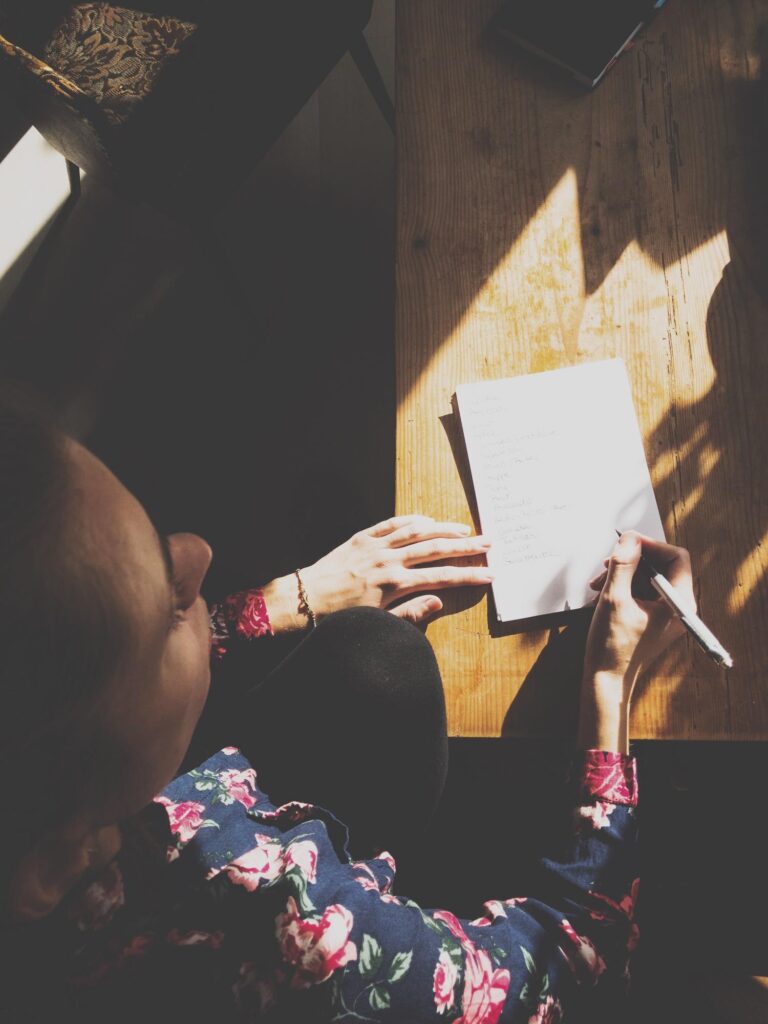
Start by dimming the lights an hour before you want to sleep. Bright overhead lights tell your brain it is still daytime. Switch to warm lamps instead. Try to keep your phone in another room. The blue light from the screen blocks the sleep hormone melatonin, and the scrolling keeps your brain active. Instead of scrolling, try a “brain dump.” Write down everything you are worried about on a piece of paper. Once it is on the paper, your brain doesn’t have to hold onto it anymore. This simple act of externalizing your stress can be the difference between a night of tossing and turning and a night of deep, restorative rest.
Learning to Say “No” as a Form of Self-Care
We often think of self-care as bubble baths and face masks. While those are nice, the most powerful self-care for a burnt-out woman is setting boundaries. Every time you say “yes” to something you don’t have the energy for, you are saying “no” to your own recovery. It is okay to decline an invitation or to ask for help with the chores. You do not have to be the one who does it all. In fact, you can’t be that person anymore if you want to get your spark back.
Practice saying “Let me check my calendar and get back to you.” This gives you space to decide if you actually have the capacity for a new task. Remember, “No” is a complete sentence. You don’t need to give a long list of reasons. People who love you will understand that you need to protect your energy. By clearing the clutter from your schedule, you create the space your nervous system needs to finally settle down. You are not being selfish; you are being sustainable. You can’t pour from an empty cup, and right now, your cup needs to be filled back up with quiet and peace.
Nourishing Your Body for Steady Energy
When we are tired, we reach for sugar and caffeine. It makes sense—we need a quick hit of energy just to get through the next hour. But these things cause “crashes” that make the burnout even worse. To heal, your body needs steady fuel. Focus on eating “real” foods that keep your blood sugar stable. Think about healthy fats like avocado, proteins like eggs or beans, and lots of colorful vegetables. These foods give your brain the nutrients it needs to repair the damage caused by chronic stress.
Hydration is also a huge part of the energy puzzle. Even mild dehydration can make you feel foggy and grumpy. Try to drink a glass of water first thing in the morning before you reach for the coffee. It wakes up your cells and gets things moving. And when it comes to caffeine, try to have your last cup before noon. This gives your body time to process it so it doesn’t interfere with your sleep later. Small changes in how you eat and drink can lead to big changes in how you feel by the end of the week.
Gentle Movement for a Tired Body
When you are in the middle of burnout, the idea of going to the gym can feel like a mountain you just can’t climb. Your body is already exhausted, and a high-intensity workout might actually push you further into “fight or flight.” Instead of pushing yourself, try “somatic movement.” This is movement that focuses on how your body feels from the inside, rather than how it looks from the outside. Think of gentle stretching, a slow walk in nature, or even just rolling your shoulders back and forth. This kind of movement helps release the tension that gets stored in your muscles when you are stressed.
Yoga can also be a wonderful tool for recovery, but not the fast-paced kind. Look for “restorative” or “yin” yoga. These practices involve holding gentle poses for several minutes while supported by pillows or blankets. This allows your muscles to truly let go and signals to your nervous system that it is okay to stop holding on so tight. Even five minutes of lying on the floor with your legs up the wall can work wonders for your circulation and your stress levels. It is about moving in a way that feels like a hug for your body, not a chore.
The Importance of Social Connection and Joy
Burnout can make us want to withdraw from the world. We feel like we don’t have the energy to talk to anyone, so we cancel plans and stay home. While rest is important, isolation can actually make us feel more depleted. Humans are social creatures, and we need connection to feel safe and happy. The key is to find “low-pressure” social connections. This might be a quick phone call with a friend who makes you laugh, or sitting in a coffee shop where you can be around people without having to perform.
Don’t forget to look for moments of joy, even in the middle of your exhaustion. Joy is a powerful antidote to stress. What is one thing that used to make you smile? Maybe it was painting, gardening, or listening to a specific kind of music. Even if you only have ten minutes, try to do something that brings you a little bit of happiness. These moments of joy act like “energy snacks” that help sustain you through the harder parts of your day. You don’t have to wait until you are fully recovered to start enjoying your life again. You can find small pieces of light right now, exactly where you are.
Your Journey Back to You Starts Today
Recovery from burnout isn’t a straight line. Some days you will feel like you have your old self back, and other days you might feel like you’ve taken two steps back. That is okay. The goal isn’t perfection; it is progress. Be gentle with yourself. You didn’t get this exhausted overnight, and you won’t feel fully restored overnight either. But every time you choose to take a deep breath, every time you say “no” to an extra task, and every time you put your phone away early, you are making a deposit into your wellness bank account.
You deserve to feel vibrant and alive. You deserve to have energy for the things that truly matter to you. Start small today. Pick just one thing from this list—maybe it’s the two-minute window gaze or the evening brain dump—and do it for yourself. You are worth the effort it takes to heal. Trust your body, listen to its whispers before they become shouts, and know that a calmer, more energized version of you is waiting just around the corner. You’ve got this, and Quillway Wellness is here to walk beside you every step of the way.